

Exhibit
Thorn Lighting
Q-File
Q-File was by general consensus the first successful memory lighting system. Not a ‘computer’ as such – it was a hard-wired machine with just one purpose, storing and re-playing lighting states at the touch of a button.
It also re-defined the interface for lighting controls, replacing the traditional fader-per-channel with a selection keyboard (arranged in columns, like an adding machine) and a motorized fader that would jump to the correct level.
Thorn were a manufacturer of lights who were encouraged into control by the BBC as Strand struggled with memory. Engineer Tony Isaacs designed the system which, while intended for television – the first system installed in TC8 at Television Centre - quickly also found favour in theatre, with its ability to control up to 390 channels across 200 memories, data stored in ferrite cores.
It also went overseas: a Q-File was supplied by Kliegl to the University of Madison-Wisconsin where two brothers, Fred and Bill Foster, shocked by the $150,000 (in 1975) price, set out to build a lower-cost version using the then-new Intel microprocessors. They succeeded – and so ETC was born.
 Documents & Photos
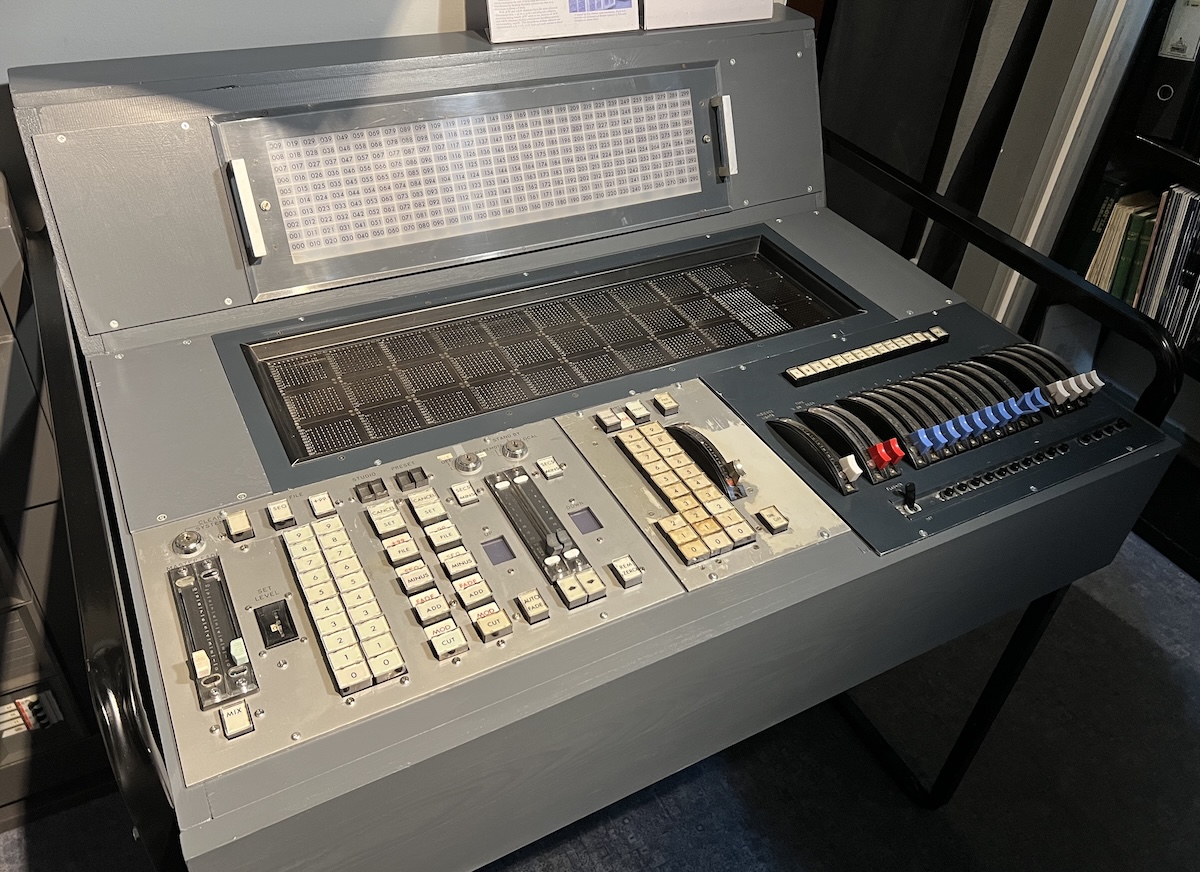
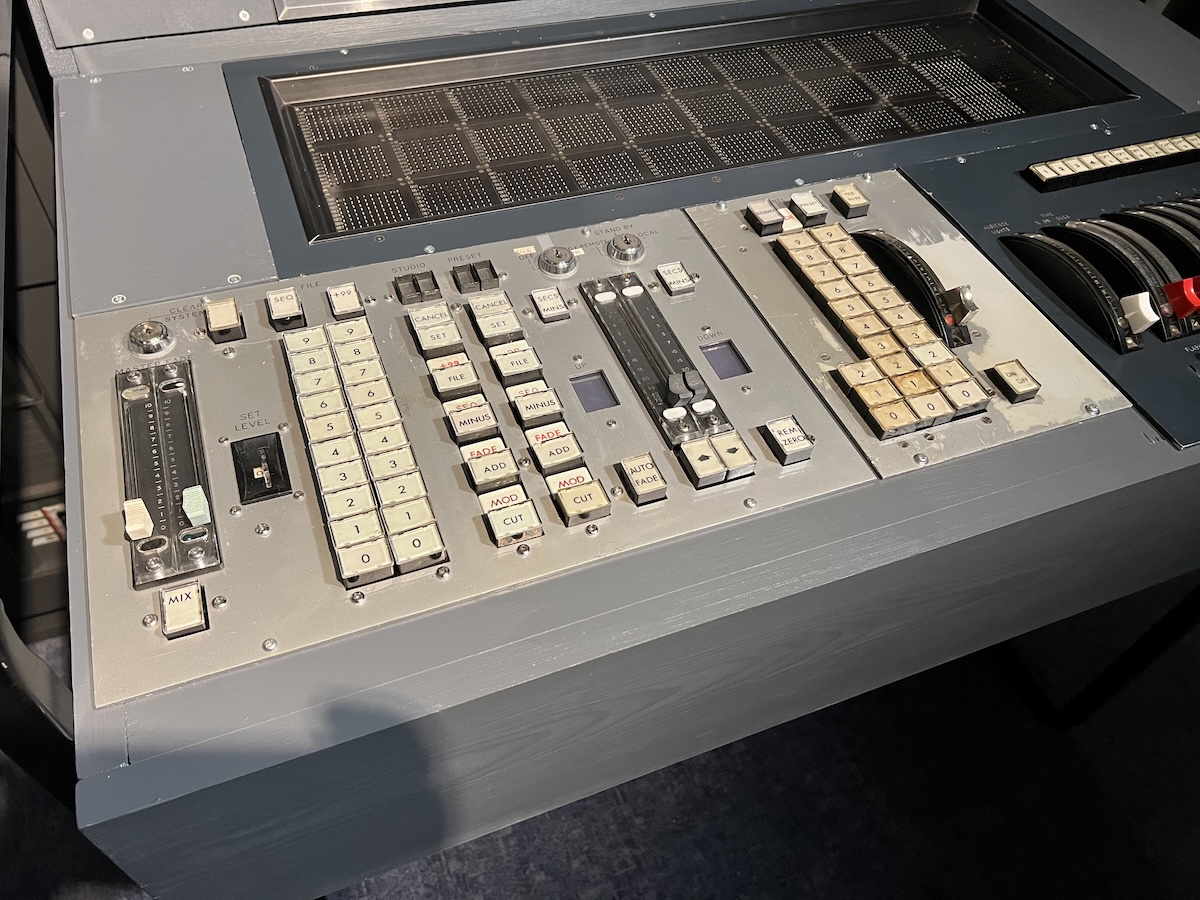
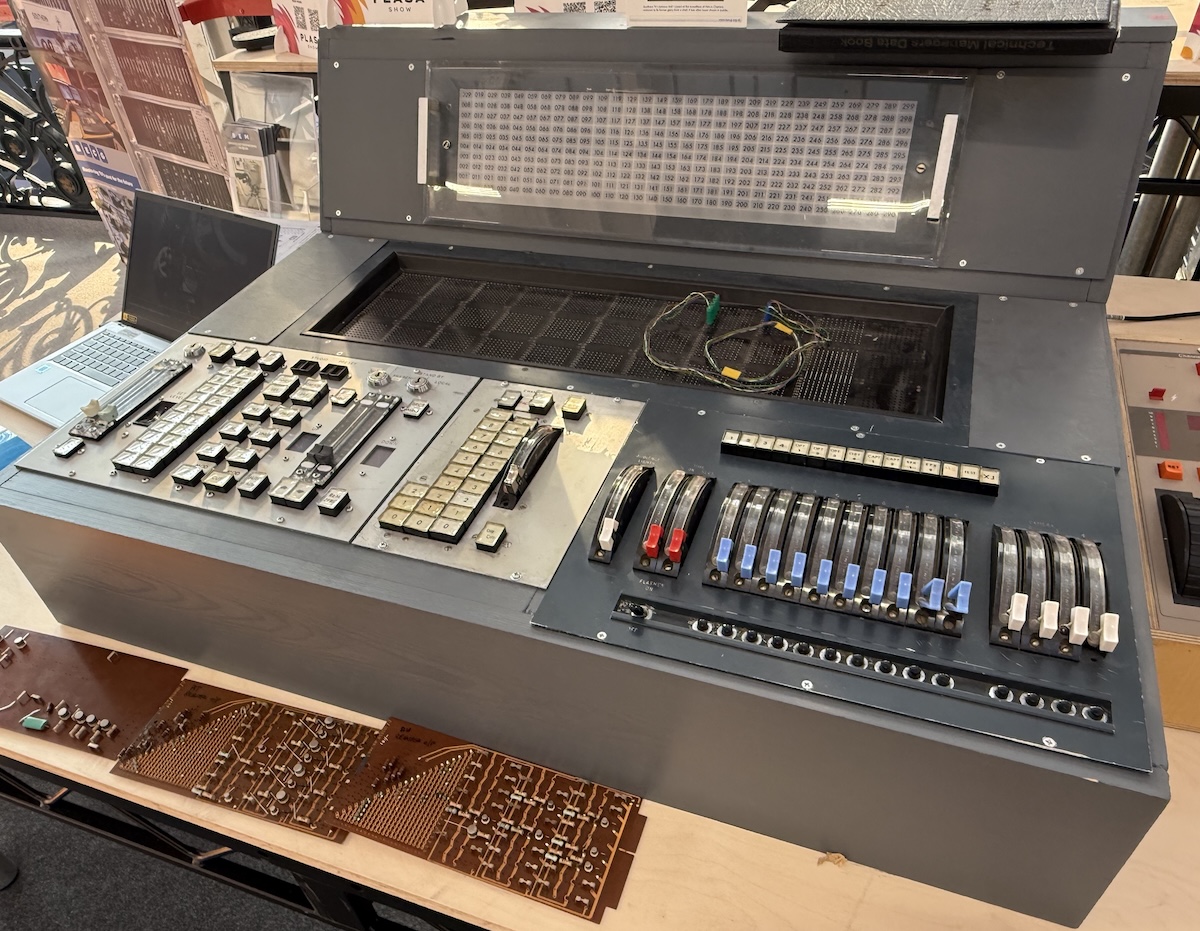
Q-File on display at PLASA (September 2025)
Click thumbnail to enlarge
 This item is at
  From
From  Full details about Q-File (1966 - ?)